salakhalimunmountain.com – The forest breathes differently when people walk with respect.
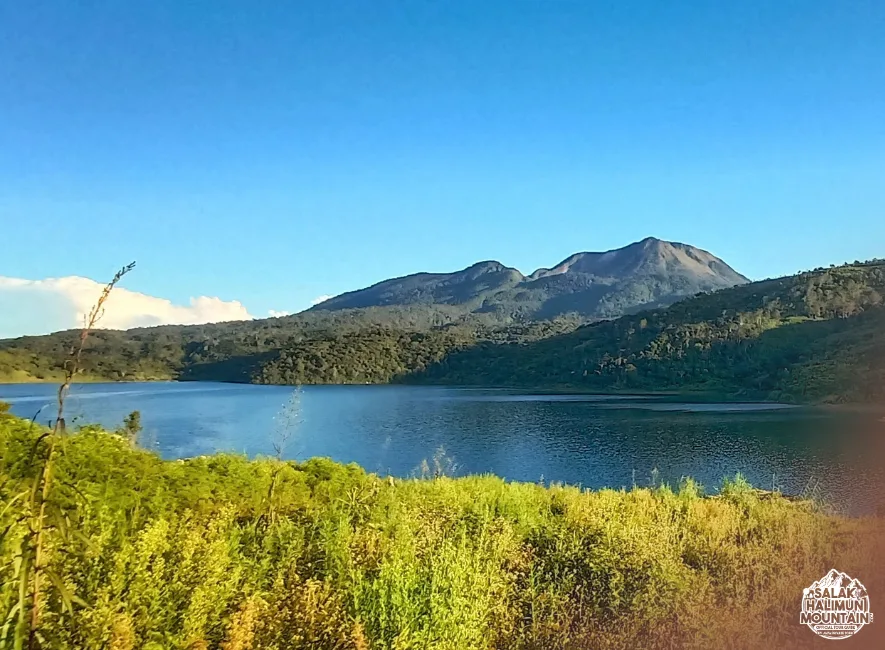
Along the misty foothills of Mount Salak, where moss wraps itself around ancient trees and rivers speak in a steady, patient rhythm, tourism has quietly become more than just visitation. Here, responsible tourism is not a trend or a slogan. It is a living relationship between people, land, and forest — a relationship that has the power to strengthen local communities while protecting one of Java’s richest rainforest ecosystems.
When travelers arrive at Mount Salak and Mount Halimun with curiosity, humility, and care, their presence ripples far beyond trekking trails and waterfalls. It touches kitchens where meals are prepared, verandas where stories are shared, fields where rice grows in terraces shaped by generations, and customary halls where decisions about land and life are still made collectively.
This is how responsible tourism supports communities around Mount Salak — not by changing who they are, but by valuing what already exists.
Understanding Responsible Tourism in the Salak Halimun Region
Responsible tourism around Mount Salak is deeply rooted in the idea that nature, culture, and livelihoods cannot be separated. The rainforest of Halimun–Salak National Park is not an empty wilderness. It is a living landscape shaped by communities who have long understood the rhythms of rain, soil, and seasons.
Rather than extracting value, responsible tourism here aims to circulate it — allowing benefits to stay within villages, reinforcing traditional knowledge, and encouraging long-term protection of forests, rivers, and wildlife.
At its best, this approach is community-based ecotourism, where local people are not just service providers, but stewards, storytellers, and decision-makers.
Economic Empowerment Through Local Participation
Job Creation Rooted in Place
One of the most immediate impacts of responsible tourism around Mount Salak is job creation — but not the kind that pulls people away from their roots.
Local residents find opportunities as trekking guides, porters, homestay hosts, cooks, drivers, storytellers, and cultural interpreters. These roles allow people to earn income while remaining connected to their land and community.
A guide leading visitors through rainforest trails is often someone who grew up walking those paths to fields or rivers. Their knowledge of weather shifts, animal signs, and forest etiquette comes from lived experience, not textbooks. Tourism gives value to that knowledge — and dignifies it.
Diversifying Income Beyond Farming
For many communities around Mount Salak and Halimun, farming remains central to life. Rice fields, vegetable plots, and small-scale plantations shape daily routines. Responsible tourism provides an additional income stream that helps reduce economic vulnerability, especially during poor harvests or changing climate conditions.
By diversifying livelihoods, families gain more stability without abandoning traditional agriculture. Tourism becomes a complement, not a replacement.
Supporting Small Local Businesses
When travelers choose locally run homestays, eat village-prepared meals, and purchase locally made crafts, money flows directly into small businesses.
Food stalls selling warm herbal drinks made from forest plants, home kitchens serving simple Sundanese dishes, and artisans crafting woven goods or wooden tools all benefit from visitor spending. Even modest purchases help sustain household economies and encourage pride in local products.
Homestays as Bridges Between Cultures
More Than a Place to Sleep
Homestays around Mount Salak are not hotels disguised as villages. They are homes.
Staying with a local family offers travelers a chance to experience daily rhythms — early morning cooking, evening conversations, shared meals, and quiet nights filled with insect song and distant river flow.
For hosts, homestays provide income while allowing cultural exchange on equal terms. Guests are not spectators, but temporary members of the household.
Strengthening Household Economies
Income from homestays often supports education, healthcare, and home improvements. These benefits reach families directly, without being filtered through large external operators.
Over time, this steady support strengthens entire villages, making tourism a shared resource rather than a centralized industry.
Preserving Living Culture Through Respectful Tourism
Valuing Kasepuhan Traditions
Communities such as the Kasepuhan around Mount Halimun maintain customs that regulate land use, forest protection, and social life. Their traditions are not performances — they are living systems of governance and belief.
Responsible tourism values these traditions by allowing communities to decide how, when, and if cultural practices are shared. Visitors may be invited to observe ceremonies, learn about customary law, or hear stories passed down through generations — always with consent and context.
This respectful attention helps preserve cultural identity while offering economic recognition.
Community-Led Decision Making
In responsible tourism models, communities participate actively in planning and management. Customary institutions, village councils, and local leaders help shape tourism activities to ensure they align with social values and ecological limits.
This participation prevents overdevelopment and ensures tourism grows at a pace the community can sustain — emotionally, culturally, and environmentally.
Environmental Conservation as a Shared Benefit
When Nature Directly Supports Livelihoods
Perhaps the most powerful impact of responsible tourism around Mount Salak is how it links conservation directly to well-being.
When forests remain intact, rivers clean, and wildlife protected, tourism continues. When ecosystems degrade, everyone loses. This clear connection creates strong incentives for conservation.
Local communities become guardians of springs, trails, waterfalls, and forest zones — not because of external enforcement, but because protection sustains their livelihoods.
Encouraging Sustainable Practices
Tourism encourages better waste management, reduced plastic use, and reliance on local products rather than imported goods. Visitors are often introduced to herbal drinks, traditional farming methods, and simple technologies that minimize environmental impact.
These practices strengthen sustainability not only for tourism, but for daily life.
Protecting Biodiversity Through Presence
The biodiversity of Halimun–Salak National Park — birds, amphibians, insects, mammals, and ancient trees — is one of its greatest treasures. Responsible ecotourism emphasizes observation rather than disturbance.
By focusing on quiet trekking, wildlife respect, and ecological education, tourism helps ensure that biodiversity remains intact for future generations.
A Future Rooted in Care
Around Mount Salak, the future of tourism is being shaped quietly, step by step, along forest paths softened by leaves and rain.
It is a future where communities thrive without losing themselves, where forests remain standing because they are valued, and where travelers leave with more than photographs — they leave with understanding.
Responsible tourism here is not an abstract idea. It is a living practice, woven into daily life, guided by local wisdom, and sustained by mutual respect between people and the rainforest they call home.
So, if you’re ready to explore the wonders of Mount Salak Halimun, head over to our ONLINE BOOKING PAGE and let’s start planning your adventure. Or simply CLICK THIS LINK to chat with us on WhatsApp.
With our team, you’re not just getting a guide; you’re gaining a local friend who will ensure your trip is nothing short of extraordinary.